
Learn about bees

Friendly, general guidance for curious minds, new beekeepers and gardeners.

Why bees matter

Bees carry pollen from flower to flower as they forage, and in doing so they help many wild plants and food crops to set seed and fruit. Honeybees are the best known, but Malta is also home to many species of wild, solitary bees that do much of this quiet work.

Healthy bee populations are a sign of a healthy countryside. Protecting them means protecting the garigue, valleys, fields and gardens that make the Maltese islands what they are.
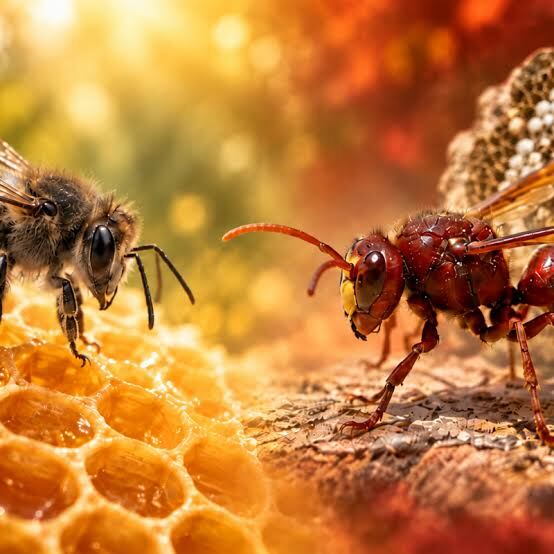
Illustration of a honeybee on honeycomb facing a red Oriental hornet

The life cycle of a honeybee

A colony has one queen, thousands of female worker bees and, in the warmer months, a smaller number of male drones. Every bee passes through four stages: egg, larva, pupa and adult.

Worker bees change jobs as they age — cleaning cells, feeding larvae, building comb, guarding the entrance and finally foraging for nectar, pollen and water.

  • Egg — laid by the queen in a wax cell
  • Larva — fed by nurse bees
  • Pupa — the cell is capped while the bee develops
  • Adult — emerges and begins work inside the hive

Maltese honey and local flora

Maltese honey has been valued for centuries. Its character depends on what is in flower: wild thyme (sagħtar) on the garigue in early summer, carob (ħarrub) in autumn, citrus blossom in spring, and a wide mix of wildflowers after the winter rains.

Because each season and locality is different, local honey varies in colour and taste from one harvest to the next — part of what makes it special.

How to start beekeeping

Start by learning before you buy. Join a beginners' course, visit an experienced beekeeper's apiary and find a mentor. Think carefully about where hives will stand, your neighbours, access to water and the time you can give.

  • Take a training course and keep learning
  • Find a mentor among experienced members
  • Check registration and legal requirements with the competent authorities
  • Get proper protective equipment
  • Start small — one or two colonies

What to do if you find a swarm

In spring, colonies naturally divide and a cluster of bees may settle on a tree, wall or car. A swarm is usually calm because the bees have no home to defend — but keep your distance and keep children and pets away.

  • Do not spray, smoke or disturb the bees
  • Note the location and how high the cluster is
  • Call us so a beekeeper can collect it safely
  • If someone is stung and has difficulty breathing, call 112

Found a swarm? Call us on +356 2144 4576

Bee-friendly gardening in Malta

Even a balcony can help. Choose plants that suit our dry climate and flower at different times of the year, avoid pesticides, and leave a shallow dish of water with stones for bees to land on.

  • Thyme, rosemary and lavender
  • Borage and wildflowers
  • Citrus and other fruit trees
  • Native shrubs suited to garigue conditions

A seasonal beekeeping calendar

A general guide for the Mediterranean climate. Seasons vary from year to year and place to place.

  1. January

    Colonies are small. Keep hives sheltered from wind and damp, and check stores on mild days without opening for long.

  2. February

    Early blossoms appear and the queen increases laying. Prepare clean equipment for spring.

  3. March

    Colonies build up fast. Inspect regularly, give space and watch for signs of swarming.

  4. April

    Peak swarming season. Citrus and wildflowers in bloom. Add supers as nectar flows.

  5. May

    Strong flows. Keep inspecting and begin monitoring for Varroa.

  6. June

    Thyme flowers on the garigue. A traditional time for the spring and thyme harvest.

  7. July

    Heat and drought. Make sure water is always available and provide shade.

  8. August

    Forage is scarce. Watch for robbing and for Oriental hornets around the apiary.

  9. September

    Treat for Varroa if needed, following current guidance, and protect against hornets.

  10. October

    Carob flowers — an important autumn source. Colonies rebuild after the summer.

  11. November

    Rains bring new growth. Check stores and reduce entrances.

  12. December

    A quieter month. Repair equipment, keep records and plan for the year ahead.

This information is general and shared in good faith. For specific problems, consult an experienced beekeeper or the competent authorities. Terms of Use